
Description
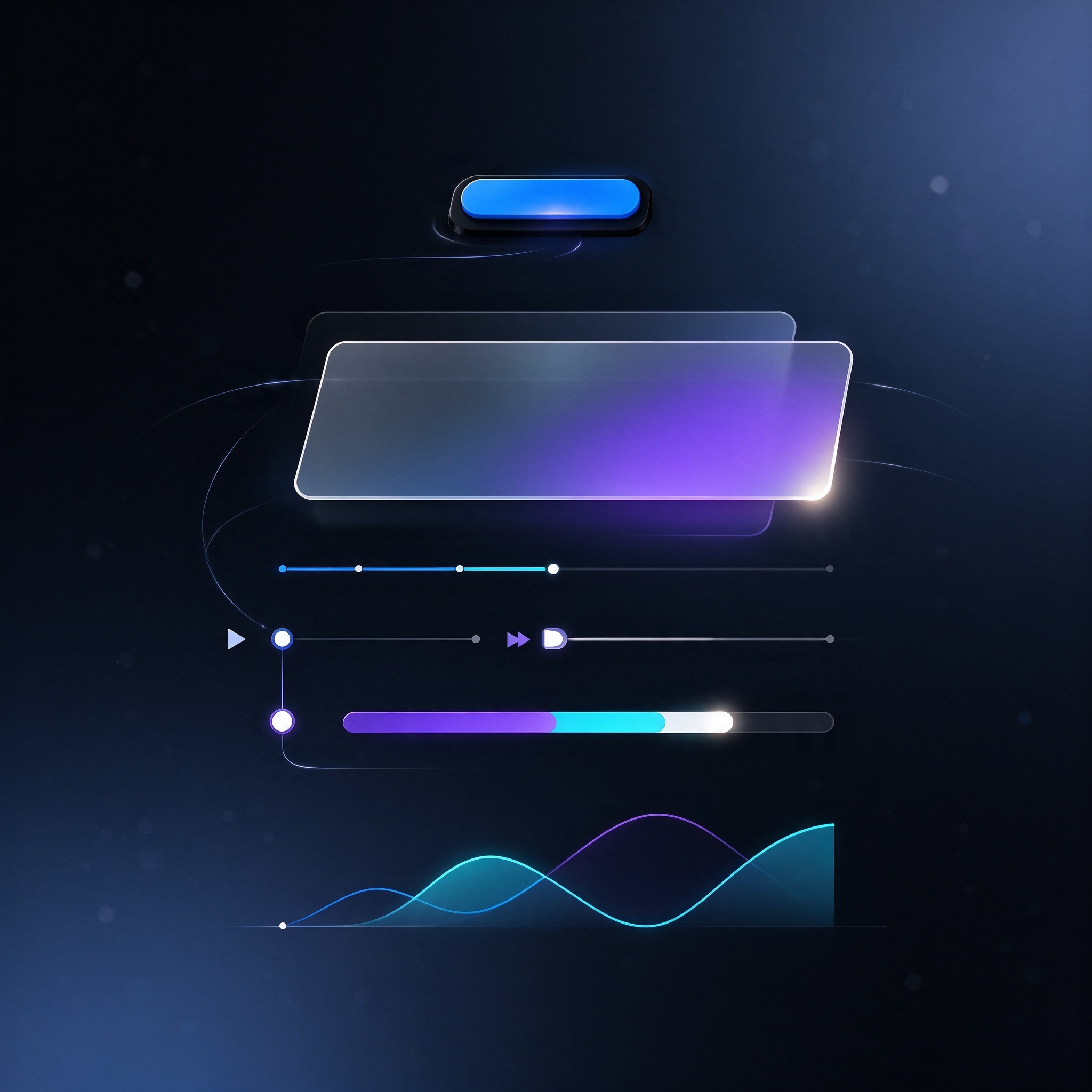
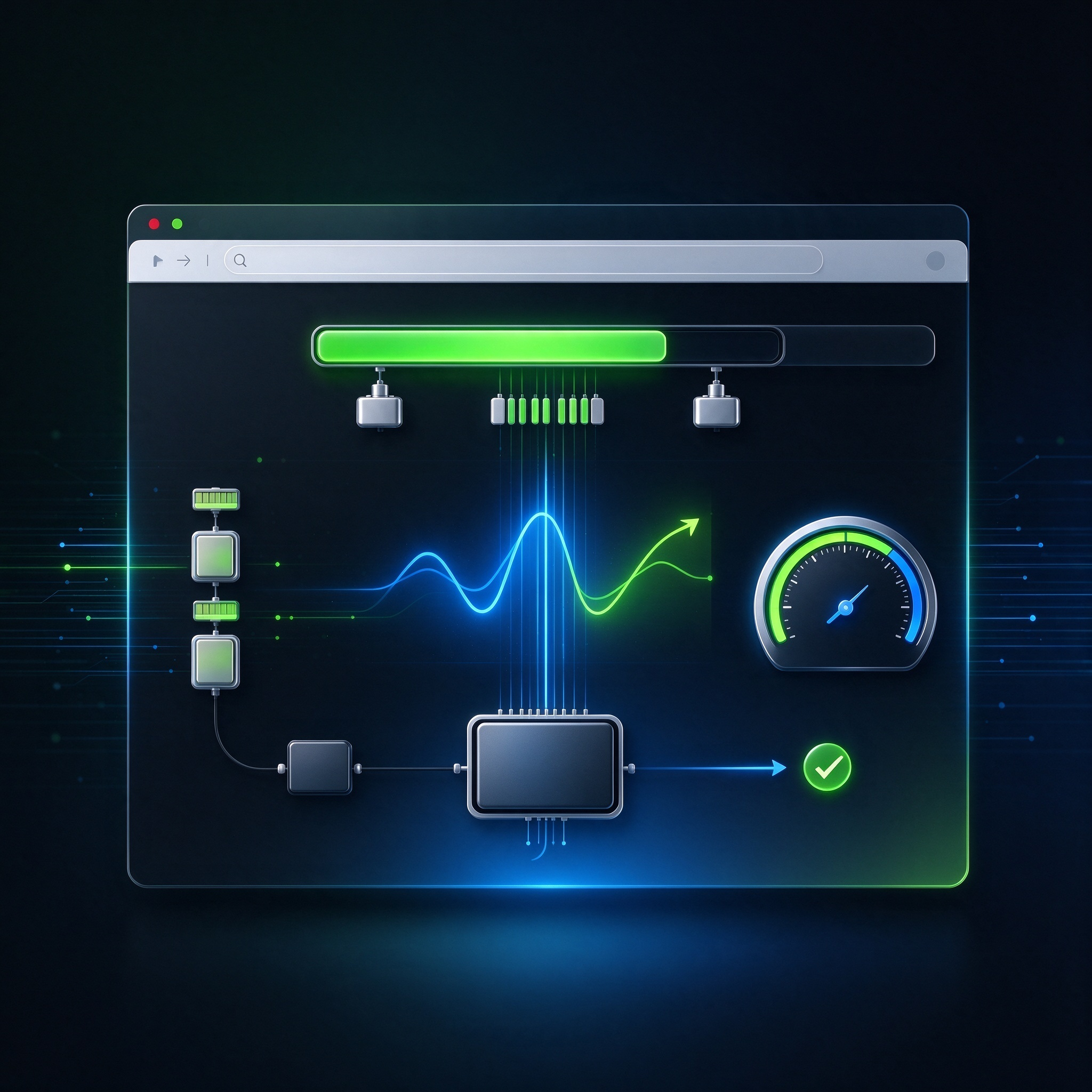
We incorporate measured motion design into websites to improve user feedback and tactile quality. The service encompasses defining the purpose of motion (guiding attention, providing status feedback, and clarifying spatial relationships); establishing standards for easing curves and durations; designing page transitions and scroll-triggered animations; implementing hover/click feedback for buttons and forms; creating loading states and skeleton screen animations; managing navigation expansion/collapse transitions; and developing entrance/exit animations for alerts and notifications. We also include fallback strategies that respect system-level “reduce motion” preferences. Deliverables consist of a comprehensive motion specification document and interactive prototypes—complete with defined triggers, durations, and easing parameters—to facilitate accurate implementation by front-end developers. Our approach ensures that motion serves to enhance understanding and usability rather than acting as mere visual flair; we avoid excessive animation that could hinder perceived speed or distract from content, resulting in interactions that feel natural, fluid, and responsive.

Related products
Your'e ViewingMicro-interactions and Page Animations
$110.00